Middle East Between Two Chokepoints
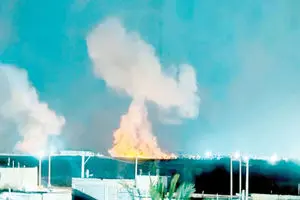
With several rounds of fire exchange between Iran and the United States having taken place and still continuing, the dynamics of the war now appear to have entered a new phase that is no longer limited solely to direct confrontation between Tehran and Washington and is gradually drawing regional actors into it as well. With several rounds of fire exchange between Iran and the United States having taken place and still continuing, the dynamics of the war now appear to have entered a new phase that is no longer limited solely to direct confrontation between Tehran and Washington and is gradually drawing regional actors into it as well. If in recent weeks the Strait of Hormuz had been seen as the main center of tension and leverage for both sides, there are now signs that part of this geopolitical rivalry is shifting to Bab al-Mandab and Yemen; if it continues, it could expand the scope of the crisis from the Persian Gulf to the Red Sea and open a new front in the heart of the Middle East. In such an atmosphere, the issue is no longer just the widening geography of the war; the question has also been raised more than before whether, if efforts to contain the crisis fail and the cycle of escalating tensions continues, scenarios beyond missile and air strikes — including moving into a ground operation phase or attempting to alter the battlefield balance — will be put on the American agenda or not? Saudi fighter jets attacked Sanaa airport simultaneously with an Iranian aircraft’s attempt to land
- NewsData.ioFTSE 100 Live: Index Declines 65 Points at 10,464 Amid Growing Tensions in Middle East
- Bloombergسطح هشدار برای پروازهای خاورمیانه در پی حملات جدید آمریکا افزایش یافت
- ReutersStocks rise after soft US inflation reading with Middle East in focus - Reuters
- Al Arabiyaچین: آمریکا با جنگ ایران، خاورمیانه را به «لبه پرتگاه» میبرد