Tensions in Strait of Hormuz escalated after 48 hours of calm
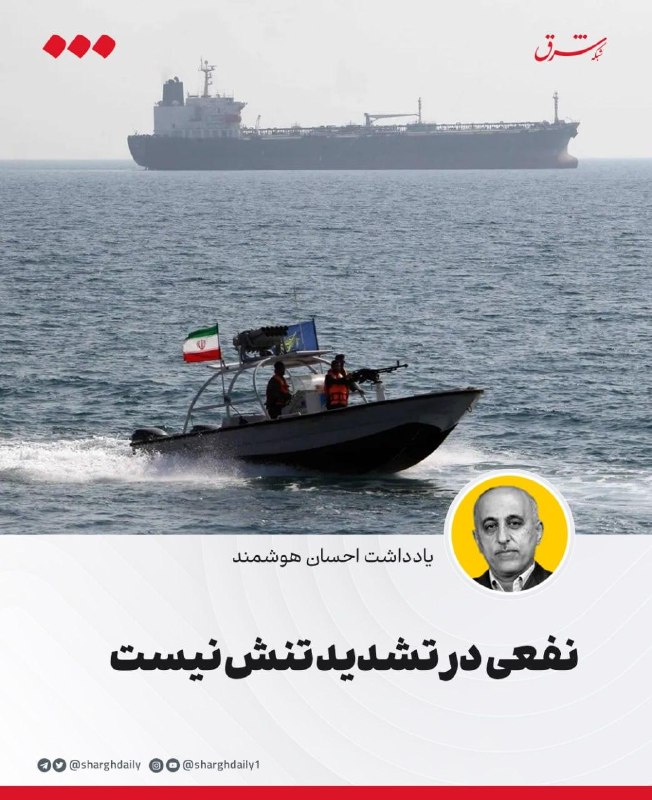
There is no gain in escalating tensions Yesterday, after about 48 hours of calm in the region, tensions in the Strait of Hormuz flared up again. The continuation of the quasi-war situation in the strategic Hormuz waterway and the ambiguity surrounding the memorandum of understanding between Iran and the United States have increased concerns about the possibility of war breaking out again. Pressure from warmongering elements has also intensified in both the United States and Iran, leaving the outcome of the existing memorandum and the resolution of issues between the two countries shrouded in serious uncertainty. The issue here is not what objectives the American side, namely the country that initiated the attacks and the war, was openly and covertly pursuing in the recent war, what tools it used and in what manner to achieve those goals, or how Iran, after being attacked by the United States and Israel, responded militarily and in defense of the country, and how diplomacy was set in motion through the mediation of Pakistan and Qatar and some regional countries. These important events are not the subject of this note. Rather, the note seeks to raise this fundamental and key point: in the midst of this tension and war, what is in accordance with national interests, and what priorities must be considered to preserve and advance those interests? First, it must be borne in mind that during the war and the attacks by the United States and Israel, none of the European military powers or NATO were willing to enter the war against Iran alongside the United States, and the efforts, actions, and pressures of
- NewsData.ioIran Threatens to Shut Down Other Oil Export Routes as Strait of Hormuz Tensions Escalate
- Anadolu Agencyایران مدعی شد پهپاد آمریکا را نزدیک تنگه هرمز در بحبوحه تشدید تنشها سرنگون کرده است - Anadolu Ajansı