Back to feed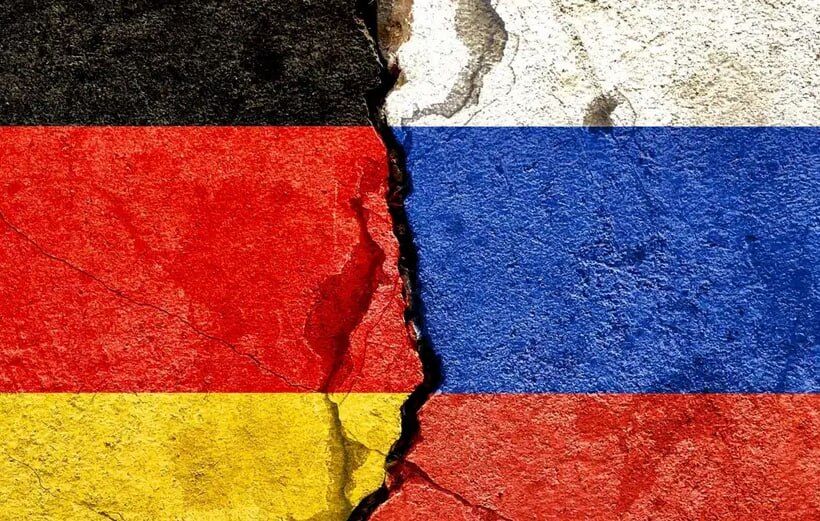
World·جنگ·1389h ago·13 Jul 2026·4 sources · 2 tiers
Mutual summoning of German and Russian ambassadors and increased tension amid Ukraine war; Finland summoned Russian ambassador; Walker: West must
Story summary
Russia’s Foreign Ministry, in response to the German Foreign Ministry’s summoning of the Russian ambassador in Berlin, summoned Germany’s ambassador in Moscow. This reciprocal move came amid rising tensions in the shadow of the war in Ukraine. At the same time, Finland also summoned the Russian ambassador over malicious cyber activity, and the European Union approved its package of cyber sanctions.
- The Russian Foreign Ministry said it summoned Alexander Lambsdorff, Germany’s ambassador in Moscow, on Monday.
- The German ambassador in Moscow was summoned after Germany’s Foreign Ministry summoned Sergei Nechayev, Russia’s ambassador in Berlin.
- IRNA described these reciprocal summonses as taking place in the shadow of the war in Ukraine and rising tensions.
- Finland’s foreign minister accused Moscow of malicious cyber activities and announced the summoning of the Russian ambassador to the country.
- Finnish Foreign Minister Elina Valtonen wrote on X that Pavel Kuznetsov, Russia’s ambassador to Finland, had been summoned.
- The European Union approved its cyber sanctions package and exposed the actors involved in malicious cyber activities in Moscow, including Russia’s Federal Security Service.
- Radio Farda, citing Christopher Walker, deputy director of the European Policy Analysis Center, reported that the West must prepare for a long-term competition with Iran, Russia, and China.
- Walker described Germany’s recent decision to summon the Chinese ambassador following reports about the possible training of Russian military personnel on Chinese soil.
- In Walker’s view, the report is a sign of a broader trend in which authoritarian regimes, even without a formal alliance, are increasingly expanding their cooperation in diplomatic, economic, military, and intelligence spheres.
- In an interview with Radio Free Europe/Radio Liberty, Walker spoke about the dimensions of China’s support for Russia’s war against Ukraine.. Coverage difference: IRNA and TASS focused on the reciprocal summoning of ambassadors between Germany and Russia, as well as Finland’s summoning of the Russian ambassador, and IRNA assessed these actions in the shadow of the war in Ukraine and rising tensions. In contrast, Radio Farda, referring to Germany’s summoning of the Chinese ambassador, linked the issue to Beijing’s role in supporting Russia’s war against Ukraine and broader cooperation among authoritarian regimes, analyzing it within the framework of the West’s long-term competition with Iran, Russia, and China.
Coverage spectrum
Coverage spectrum3 sources
1 src
0 src
2 src
33%
67%
Critical
Center
Favorable
Coverage: 3 sources · most coverage from the Favorable tier · no coverage from the Center tier
International view· 1 world outlets
- TASSFACTBOX: سفیر آلمان به وزارت خارجه روسیه احضار شد
Coverage Details
Total News Sources4
Leaning Oppose1
Center0
Leaning Favor2
Last Updated57d ago
Bias Distribution67% favor
How each tier tells it
The tier filter is controlled from the “Coverage spectrum” module.
Critical· 7 sources
Favorable· 2 sources
Word lens — same story, different words
Words carry a stance — comparing each tier’s headline for this same event
Opposition
واکر: غرب باید خود را برای رقابتی بلندمدت با ایران، روسیه و چین آماده کند. تصمیم اخیر آلمان برای احضار سفیر چین، در پی انتشار گزارشهایی دربارهٔ…
State
احضار متقابل سفرای آلمان و روسیه و افزایش تنش در سایه جنگ اوکراین
Source credibility & ownership
4 sources · 2 tiers