Iran's envoy: Vessel passage conducted with considerations
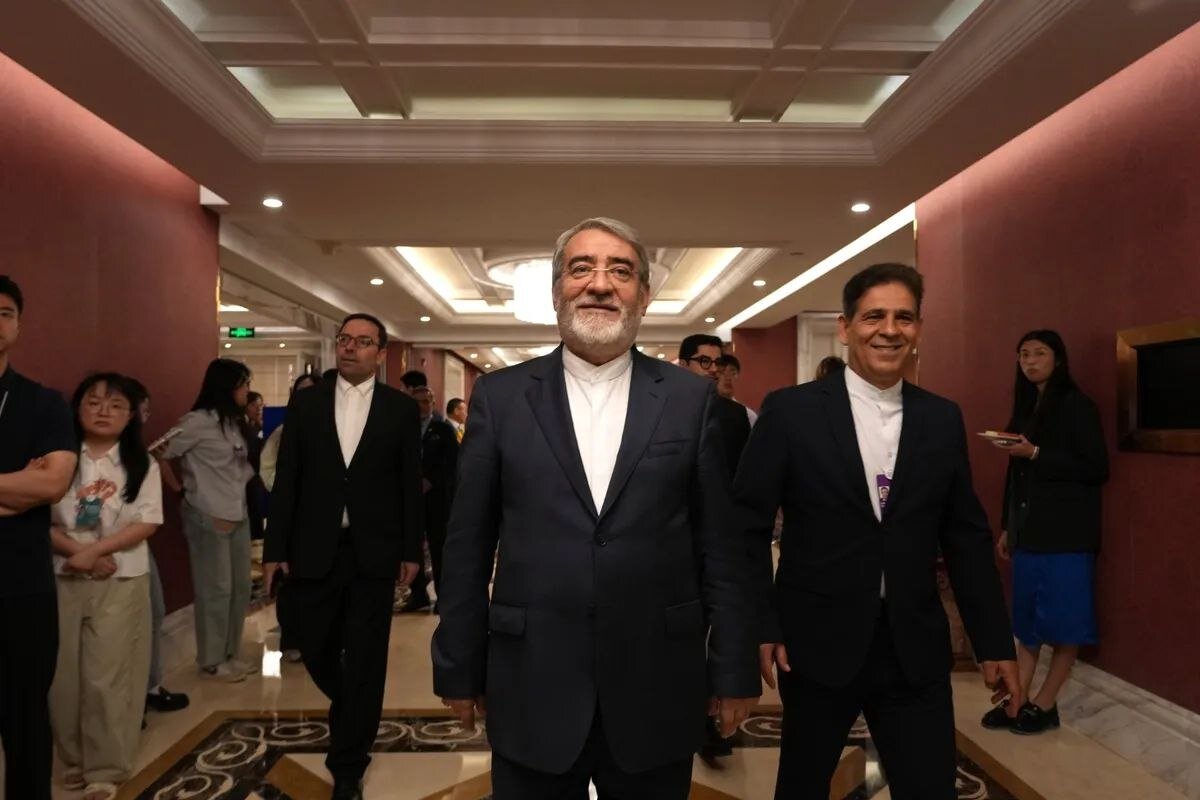
Abdolreza Rahmani Fazli, Iran's Ambassador to China in Beijing, announced that China and other countries friendly to Iran will receive special considerations and privileges in determining the level and nature of service fees when their vessels transit through the Strait of Hormuz. These remarks were made in Beijing and were presented within a broader policy framework under which Iran intends to make distinctions between friendly and non-friendly countries regarding passage through this waterway. According to "Akhbar-e Fouri," this approach has been raised in connection with national security developments following "the recent war," though further details about the nature of this conflict or its timeframe have not been mentioned in existing coverage. The Strait of Hormuz is one of the world's most important maritime passages for the transfer of oil and goods, and Iran has control over part of its coastline.
- Rahmani Fazli explicitly stated that Iran should grant special privileges to countries that are friendly with it.
- The subject of these privileges concerns the determination of the "level and nature" of service fees collected from vessels using the Strait of Hormuz.
- China has been explicitly named as one of the countries subject to these special considerations.
- These remarks were made by Iran's Ambassador in Beijing, rather than by officials of the Foreign Ministry or the government in Tehran.
- According to "Akhbar-e Fouri," this policy has been defined in connection with national security developments following "the recent war"; this statement has not appeared in other media coverage.
- None of the sources have provided details regarding current rates, the amount of proposed discounts, or the implementation mechanism of this plan.
- No official response from the Chinese government or any third country has been reported in existing coverage.
- Whether this policy was previously announced or approved formally, or whether it represents solely the ambassador's view, has not been clarified in any of the sources.
- Media outlets differ in their terminology in describing this matter; some have referred to "special considerations," others to "special privileges," and still others to "special discounts," without providing consistent definitions of these concepts.
- None of the coverage has referenced reactions from domestic opponents or Iran's legislative bodies regarding these remarks.. Coverage difference: Most outlets — including ISNA, Shargh newspaper, Etemad newspaper, Akhbar-e Fouri, and Tejarat News — have reflected the remarks with emphasis on "special considerations" within a diplomatic and neutral framework, while "KhabarOnline," through use of the term "special discounts," has adopted a more concrete and economic tone. Only "Akhbar-e Fouri" has connected this policy to "national security developments following the recent war," which adds a security dimension and context to the report that is absent from other coverage. None of the outlets have addressed the potential consequences of this policy for non-friendly countries or the reactions of international actors.