Modern Diplomacy: World Survived Iran's Oil War
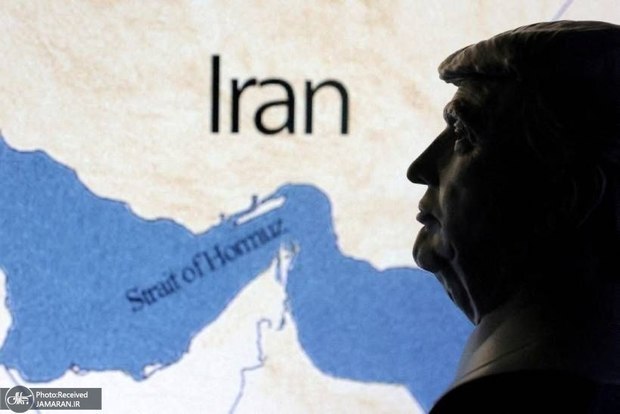
The primary legacy of Iran's war is not merely the world's passage through an oil crisis; rather, it is the shrinking of the world's safe energy margin. Rebuilding more than one billion barrels of depleted reserves, at current oil prices, could cost more than $70 billion. The ceasefire has apparently restored calm to the oil market; however, this calm does not conceal all remaining vulnerabilities. Emergency reserves have been severely depleted, sections of the Persian Gulf energy infrastructure remain damaged, tanker traffic through the Strait of Hormuz has not yet returned to pre-war patterns, and negotiations over a permanent peace agreement and Iran's nuclear program continue without comprehensive progress. If, before reserves are replenished, another war, a natural disaster, or a major supply disruption occurs, governments will have fewer tools to contain price surges. Rapid oil increases quickly seep into transportation costs, production, and household energy expenses, driving up inflation.
- Emergency reserves have been severely depleted
- Sections of the Persian Gulf energy infrastructure remain damaged
- Tanker traffic through the Strait of Hormuz has not yet returned to pre-war patterns
- Negotiations over a permanent peace agreement and Iran's nuclear program continue without comprehensive progress. If another crisis occurs before reserves are replenished, governments will have fewer tools to contain price surges, and rapid oil increases will quickly seep into transportation costs, production, and household energy expenses, driving up inflation.
# Modern Diplomacy: World Survived Iran's Oil War; But the Next Shock Could Be More Devastating
- NewsData.ioDecoding Iran’s Masterclass in Quran Diplomacy