Ayatollah Ali Khamenei's Legacy in Politics
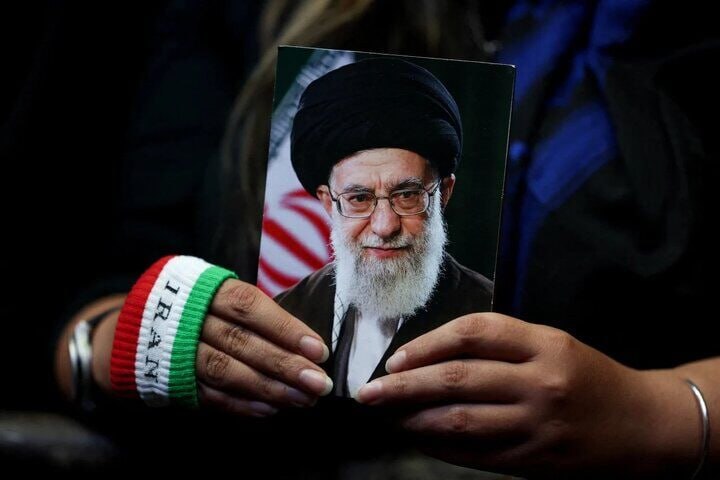
Abolfazl Pasdideh, Ambassador of the Islamic Republic of Iran to Mexico, wrote in a note: Ayatollah Seyyed Ali Khamenei is among those figures who, over more than three decades of leadership, has played a role far beyond the highest political position in the country and, in the view of his supporters, has become a symbol of "independence," "resistance," and "steadfastness against external pressure." His legacy cannot be measured merely by political decisions or diplomatic stances. This legacy has been shaped by the connection between religious thought, revolutionary identity, a culture of resistance, and the historical narrative of the Islamic Republic—a narrative that seeks its roots in Ashura, the concept of martyrdom, and the negation of domination. The image of the "austere leader" became one of the most important components of Ayatollah Khamenei's political identity.
- Austerity is not regarded as a personal characteristic, but rather as a symbol of empathy with the people, avoidance of elitism, and commitment to the values of the Islamic Revolution.
- In recent years, various speculations and narratives about Ayatollah Khamenei's residence, protection measures, and living conditions were circulated in the media and cyberspace.. The manner of his martyrdom at home, surrounded by family members, refuted all these speculations and demonstrated that he lived a conventional personal life and that, contrary to some media claims, his lifestyle remained unchanged from the beginning of his leadership to his final moment.
# IRNA Exclusive; Beyond a Leader; The Enduring Legacy of the Martyred Leader in Politics, Culture and National Identity
- NewsData.ioIranian leaders vow to carry forward Khamenei's legacy during funeral