Economy in shadow of Hormuz; strait as wealth creation engine
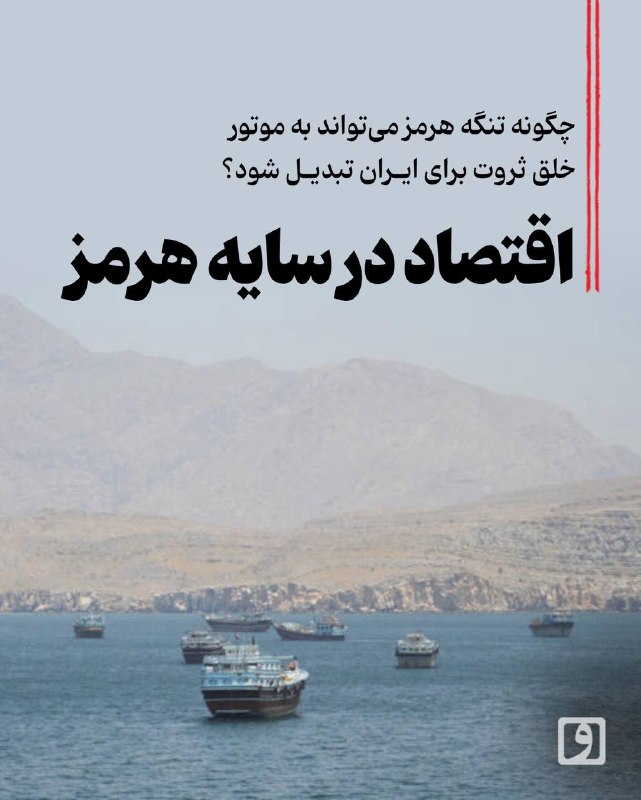
**Summary by Reza Rahmati:** In Iranian political and media discourse, the Strait of Hormuz has always been a symbol of military power and deterrence, but today the central question is how to transform this geopolitical advantage into sustainable economic capital. Maintaining military capability and geopolitical standing in the Persian Gulf remains necessary, but power in today's world is measured not only by military superiority; rather, the ability to influence global trade, supply chains, and risk management has also become a source of power. The art of policymaking lies in ensuring that geographic control translates into economic value creation. Control without value creation merely generates deterrence, whereas value creation can bring wealth, investment, technology, and sustained economic influence. Therefore, hard power is a necessary condition for deterrence but insufficient for development on its own; alongside it, a "geopolitical services economy" must take shape. Iran can generate added value from its geographic position through developing ports, effective connections to transportation networks, expanding logistics services, bunkering, maritime repairs, data economy, and financial and insurance services. Realizing these capacities requires sustained security, risk reduction, regulatory stability, legal reforms, and confidence-building; for military deterrence and economic diplomacy are complementary and can be mutu[al...]
# Economy in the Shadow of Hormuz; How Can the Strait of Hormuz Become an Engine of Wealth Creation for Iran?
- NewsData.ioREPORT: Iran Privately Admits Strait of Hormuz Attack Was a 'Mistake,' Pushes to Resume Negotiations